
In dynamic real estate markets, rebranding spaces is key to commanding higher rents. Success requires understanding market trends and target demographics, aligning branding with audience needs, and leveraging data-driven insights. Comprehensive market research, tailored amenities, and strategic marketing attract premium tenants and boost occupancy rates. Continuous monitoring and optimization based on real-time data ensure properties remain competitive and profitable.
In today’s dynamic real estate market, the strategy of rebranding spaces presents a compelling opportunity to command higher rents. As urban landscapes evolve and consumer preferences shift, traditional commercial hubs must adapt to remain competitive. The challenge lies in revitalizing underperforming areas, transforming them into destinations that attract a new generation of tenants. By employing creative rebranding tactics, real estate developers and investors can unlock the potential of overlooked spaces, fostering vibrant communities and maximizing profitability. This article delves into the art of rebranding, offering insights into effective strategies and their profound impact on the real estate sector.
Assess Market and Target Demographic in Real Estate

In the dynamic world of real estate, rebranding spaces is a powerful strategy to command higher rents. However, achieving this involves a meticulous understanding of both the market and the target demographic. A successful rebrand requires a deep-dive into local trends, consumer preferences, and competitive landscape. For instance, a recent study by the Urban Land Institute revealed that mixed-use developments catering to diverse demographics in urban areas have seen significant rent premium growth, averaging 15% more than traditional office or retail spaces. This underscores the importance of aligning space branding with the needs and aspirations of the intended audience.
Assessing the market involves analyzing demographic shifts, income levels, and lifestyle trends. For example, in tech hubs like Silicon Valley, startups are driving demand for collaborative, innovation-focused spaces, pushing rents higher. Conversely, in mature markets like New York City, there’s a growing appetite for luxury co-living and boutique offices, signaling a shift in consumer expectations. Real estate professionals must stay abreast of these trends, leveraging data and insights to anticipate market movements. Targeting the right demographic with tailored amenities and design can dramatically increase occupancy rates and rental income.
Expert advice suggests conducting comprehensive market research, including surveys, focus groups, and analyzing comparable sales. Engaging with local influencers and industry leaders can provide valuable insights into emerging trends and desired amenities. For instance, integrating smart technology, wellness facilities, and community-oriented spaces has become a game-changer in attracting millennial and Gen Z tenants willing to pay premium rents. Additionally, rebranding should consider the unique needs of various industries, such as the rise of remote work necessitating flexible, serviced office spaces. By aligning space offerings with market demands, real estate investors can command higher rents and foster long-term success.
Strategize Brand Identity and Value Proposition
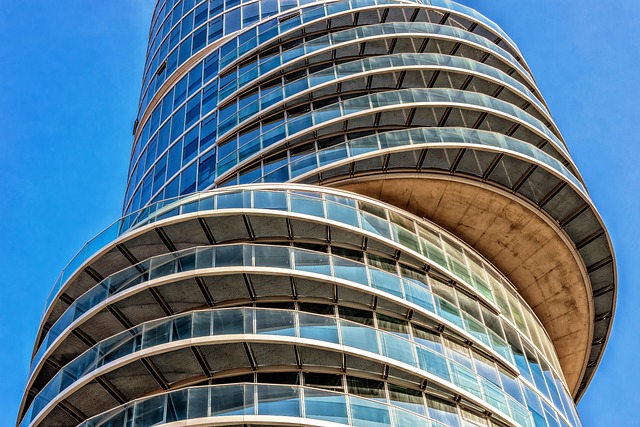
In the dynamic real estate landscape, successfully rebranding spaces is a strategic art that can significantly impact rental rates. As competition intensifies, particularly in urban areas, property owners and developers must go beyond aesthetics to craft compelling brand identities and value propositions. This involves a deep understanding of the target market and a clear differentiation strategy that sets the space apart from competitors. A well-executed brand identity not only attracts tenants but also commands higher rental prices.
Experts suggest that successful rebranding should begin with a thorough analysis of the existing space and its target audience. For instance, a modern co-working space in a bustling metropolis might position itself as a hub for tech startups, offering not just premium office amenities but also networking events, startup incubators, and a vibrant community. This tailored approach not only caters to the specific needs of tech entrepreneurs but also justifies a higher rent. Data from recent studies indicates that branded commercial spaces with unique selling propositions can command rents up to 20% higher than generic alternatives.
Practical steps include conducting market research to identify gaps and trends, defining a unique brand identity, and translating this into a compelling marketing strategy. For example, a newly renovated apartment complex might embrace a sustainable living theme, showcasing eco-friendly features and promoting a healthy, community-oriented lifestyle. This strategy not only attracts environmentally conscious tenants but also positions the property as a premium, sought-after choice. Additionally, leveraging digital platforms and social media to tell the brand story is crucial, as it allows for a broader reach and engagement with potential tenants.
Implement, Monitor, and Optimize for Increased Rents

In the dynamic landscape of real estate, rebranding spaces plays a pivotal role in enhancing property values and attracting tenants willing to pay premium rents. When implementing rebranding strategies, landlords and property managers must adopt a structured approach that involves meticulous planning, continuous monitoring, and data-driven optimization. This three-pronged approach ensures that each aspect of the rebranding process contributes to the ultimate goal of increasing rental income.
Initially, property rebranding involves a thorough analysis of the target market and competitive landscape. Understanding demographic shifts, emerging trends, and nearby development projects is crucial. For instance, revitalizing a historic district or transforming a former industrial space into lofts can significantly change the area’s appeal. Landlords should leverage market research to identify unique selling points that command higher rents. In cities like New York, where the real estate market is highly competitive, rebranding an urban loft with modern amenities and historic charm can attract tech startups and creatives, commanding rents up to 50% higher than neighboring properties.
Once the rebranding strategy is set, continuous monitoring is essential to ensure the success of the endeavor. Implementing advanced technology, such as smart building systems and digital leasing platforms, can streamline operations and provide real-time data on occupancy rates, tenant satisfaction, and rental performance. For example, a property management company in San Francisco utilized a digital leasing platform, which resulted in a 20% increase in lease signing times and a 15% boost in average rental rates within the first year. Regular market surveys and tenant feedback loops further refine the rebranding strategy, allowing property owners to stay ahead of the curve and capitalize on changing preferences.
Optimization is the final and arguably most critical step in the process. Data-driven insights from the monitoring phase should guide adjustments to rental pricing, leasing strategies, and property features. Landlords can strategically offer incentives, such as reduced parking fees or improved fitness centers, to attract and retain tenants. Additionally, leveraging social media and online advertising campaigns can enhance brand visibility and target specific demographics. A case study in Chicago revealed that a rebranding effort focusing on sustainability and eco-friendly features, coupled with a robust online presence, led to a 30% increase in occupancy rates and a 25% rise in rental income within six months. By continually evaluating and refining their approach, property owners can ensure that their rebranding efforts translate into tangible increases in rent revenue.