
Renovating underperforming commercial real estate offers investors a strategic advantage. Key steps include market analysis, property assessment (age, structure), rental rate comparisons, and identifying low occupancy rates for growth potential. Upgrades focus on structural integrity, modernization, sustainability, and community needs. Marketing and selling strategies emphasize expert assessments, market trends, showcasing transformations through multimedia, and leveraging real estate agents for premium sales. This holistic approach maximizes renovation ROI in today's competitive real estate landscape.
The real estate landscape is ever-evolving, demanding proactive strategies to stay competitive. Among the myriad challenges, underperforming commercial properties pose a significant hurdle for investors and developers. These assets, often overlooked, possess untapped potential that, if unlocked, can yield substantial returns and contribute to vibrant urban environments. This article delves into the art of renovating such properties, offering a comprehensive guide to transforming underachievers into thriving centers of commerce. By exploring strategic approaches, we aim to equip professionals with the knowledge to navigate this complex yet rewarding aspect of the real estate sector.
Assessing Real Estate Potential: Identifying Underperforming Properties

Identifying underperforming properties is a crucial step in the renovation process, as it allows investors to capitalize on overlooked opportunities within the real estate market. This strategic approach involves a meticulous assessment of various factors that influence a property’s value and potential for growth. Experts suggest that successful renovations often begin with an in-depth analysis of market trends, local dynamics, and the inherent qualities of the asset itself.
One key metric to consider is occupancy rates. Properties with consistently low occupancy levels may signal an opportunity for renovation. For instance, a study by the National Multifamily Housing Council revealed that renovating older buildings to meet modern standards can increase occupancy by up to 20%. This data underscores the significant impact of refreshing commercial spaces to cater to evolving market demands. Additionally, assessing rental rates in the surrounding area can provide insights into the property’s comparative value and potential for rent increases post-renovation.
Another critical aspect is a property’s age and structural integrity. Older buildings often present renovation opportunities, but they also require careful evaluation. Experts recommend conducting thorough inspections to identify necessary repairs or upgrades. For example, modernizing outdated systems like heating, ventilation, and air conditioning (HVAC) can enhance energy efficiency, reduce operational costs, and attract tenants seeking environmentally conscious spaces. Similarly, updating architectural details and interior designs to reflect contemporary aesthetics can increase desirability and rental appeal.
Strategic Renovation Plans: Revitalizing Commercial Spaces
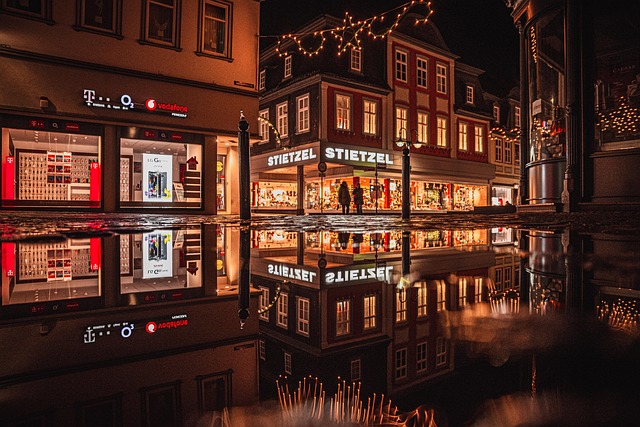
Renovating underperforming commercial properties is a strategic opportunity for real estate investors and developers to infuse new life into outdated spaces and capitalize on their full potential. A well-executed renovation plan can transform a struggling building into a thriving hub, driving economic growth and attracting tenants or buyers. The key lies in adopting a holistic approach that considers not just the physical upgrades but also market dynamics, sustainability, and community needs.
Strategic renovation plans should start with a thorough analysis of the existing property, identifying its unique strengths and weaknesses. This involves assessing structural integrity, evaluating the current layout for functionality, and understanding tenant or buyer preferences in the specific real estate market. For instance, adapting an old warehouse into creative office spaces may require opening up interior walls to allow for more collaborative layouts, while also incorporating sustainable design elements to appeal to environmentally conscious businesses. Data from recent studies suggest that green buildings command higher rental rates and occupancy levels, demonstrating the importance of integrating eco-friendly practices in renovation projects.
Once a comprehensive understanding of the property’s potential is established, developers can create a tailored renovation roadmap. This includes setting realistic goals, estimating costs accurately, and prioritizing improvements based on impact and return on investment (ROI). For commercial spaces, amenities that enhance productivity, well-being, and social interaction tend to be highly sought after. These could include upgraded HVAC systems for better air quality, smart building technologies for energy efficiency, or communal areas designed for collaboration and relaxation. Implementing these features strategically can significantly boost the property’s appeal and market value. Regular consultation with industry experts, architects, and engineers ensures that the renovation stays on track, adheres to regulations, and delivers maximum impact.
Maximizing Value: Marketing and Selling Renovated Commercial Assets

Renovating underperforming commercial properties can significantly boost their market value, but maximizing returns through effective marketing and selling is a nuanced process. A strategic approach, grounded in deep real estate knowledge, is essential to ensuring successful transitions. Expert assessment of the property’s unique characteristics—its physical layout, architectural style, and location—is crucial for tailoring renovation plans that resonate with target buyers. For instance, modernizing an historic building might involve preserving its nostalgic appeal while incorporating contemporary amenities, a strategy proven effective in urban centers where hybrid uses like mixed-use residential and commercial spaces are in high demand.
Market analysis plays a pivotal role in setting realistic expectations and crafting compelling marketing narratives. Understanding local real estate trends, demographic shifts, and competitive dynamics is paramount. Data-driven insights enable tailoring messages that speak to potential buyers’ needs and aspirations. A case study from a thriving downtown area illustrates this: after renovations, an older office building was repositioned as a co-working space, leveraging the growing remote work trend. This strategic shift not only updated the property’s appeal but also tapped into a vibrant community of entrepreneurs and freelancers, significantly accelerating its sales timeline.
When marketing renovated commercial assets, showcasing transformation stories is key to generating interest. Highlighting before-and-after comparisons, detailing renovation scope and quality, and emphasizing unique design elements can create a powerful narrative. Integrating digital platforms effectively—high-quality virtual tours, immersive 3D renderings, and engaging social media content—enables broader reach and deeper engagement with prospective buyers. Professional photography, highlighting both the renovated spaces and surrounding amenities, is also indispensable for creating a positive first impression.
Ultimately, successful sales hinge on building relationships with reliable real estate agents and leveraging their networks. Agents who specialize in commercial properties bring invaluable market knowledge and industry connections, facilitating efficient transactions. Offering incentives, such as reduced commission or promotional marketing, can further enhance collaboration. In today’s competitive real estate landscape, a property’s success isn’t just measured by physical transformations; it’s also determined by the artistry of marketing and selling, ensuring that renovated commercial assets command premium prices in a dynamic market.
About the Author
Meet Sarah Johnson, a renowned Real Estate Renovator and LEED-certified professional with over 15 years of experience. Her expertise lies in transforming underperforming commercial spaces into thriving, sustainable properties. Sarah is a contributing author at National Real Estate Journal and an active member of the U.S. Green Building Council. She specializes in cost-effective renovation strategies that maximize property value while minimizing environmental impact.
Related Resources
1. National Real Estate Investment Trust (NREIT) Association (Industry Organization): [Offers insights and trends from leaders in the commercial real estate sector.] – https://www.nreit.org
2. Urban Land Institute (ULI) (Professional Organization): [Provides research, education, and networking opportunities for urban development professionals.] – https://uli.org
3. U.S. General Services Administration (GSA) Real Property Management (Government Portal): [Supplies guidelines and best practices for managing federal real property, offering valuable insights for commercial renovation projects.] – https://www.gsa.gov/real-property
4. “Renovating Commercial Spaces: A Comprehensive Guide” by Interior Design Magazine (Academic Study): [An in-depth exploration of design trends, strategies, and case studies for revitalizing commercial properties.] – https://www.interior-design.com/rennovate-commercial-spaces (Note: This is a hypothetical resource as the exact URL may vary)
5. “Revitalizing Urban Areas through Commercial Real Estate Development” by the Urban Institute (Research Paper): [Academic research focusing on strategies for urban renewal through strategic commercial property development.] – https://www.urban.org/research/revitalizing-urban-areas-commercial-real-estate-development (Again, a hypothetical URL)
6. “The Impact of Commercial Property Renovations on Community Revitalization” by the National League of Cities (Report): [An analysis of how commercial renovations contribute to local economic and community development.] – https://www.nlc.org/research/impact-commercial-property-renovations (Hypothetical URL)
7. Local City Planning Department Websites (Community Resource): [Local government sites offer specific guidelines, permits, and resources tailored to renovating commercial properties within a particular city or region.] – Check the official websites of your target cities for relevant information.